Cessna Nose Gear Strut Assembly: Replacement Nose Landing Gear Component
Cessna Nose Gear Strut Assembly: Replacement Nose Landing Gear Component
Blog Article
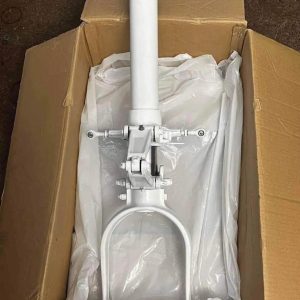
The Cessna Nose Gear Strut Assembly combines load support, controlled compression, wheel positioning, and steering-related functions within the aircraft’s complete landing-gear system.
The Cessna Nose Strut may provide shock absorption and structural support, but actual functions depend on the complete assembly and aircraft configuration.
The Aircraft Nose Gear Strut must maintain suitable alignment, movement, sealing, structural integrity, and connection with surrounding components.
The Cessna Nose Gear Shock Absorber, Cessna Landing Gear Assembly, Aircraft Landing Gear Strut, and Cessna Nose Wheel Strut phrases highlight the component’s role in supporting loads and controlling ground impacts.
Accurate product information supports responsible purchasing and reduces installation delays.
Identifying the Complete Nose Gear Component
The assembly should be identified through its Cessna part number, casting or forging numbers, serial markings, aircraft applicability, dimensions, configuration, photographs, maintenance records, and available illustrated-parts information.
Transparent package details improve the commercial value of the Cessna Nose Gear Strut Assembly.
Evaluating Landing Gear Structural Responsibilities
System-level evaluation is essential when selecting or inspecting the component.
Any evidence of previous impact should be disclosed and investigated.
Maintaining Controlled Compression
A strut that appears fully extended may still contain internal wear, incorrect pressure, or unsuitable fluid quantity.
Excessive compression, insufficient extension, rapid rebound, leakage, sticking, or uneven movement can indicate servicing, seal, internal-surface, alignment, or load concerns.
Evaluating Ground Steering Geometry
The steering system should be evaluated as a complete arrangement rather than through the strut alone.
Towing procedures should respect the aircraft’s steering limitations.
Aircraft Model and Serial-Range Compatibility
Compatibility depends on the exact Cessna model, aircraft serial-number range, landing-gear configuration, part number, modification status, wheel arrangement, steering system, and surrounding structure.
Supplemental modifications, replacement forks, wheel conversions, tire changes, steering alterations, and airframe repairs can affect compatibility.
Inspecting for Scoring, Pitting, and Wear
Sliding and sealing surfaces must remain within acceptable condition because defects can damage seals and contribute to leakage or sticking.
Internal wear can result from contamination, damaged seals, misalignment, corrosion, or prolonged operation with incorrect servicing.
Inspecting the Nose Gear Strut for Leaks
A small film of fluid and an active leak should be distinguished using applicable maintenance guidance.
Seal replacement should use components appropriate to the exact strut assembly and aircraft configuration.
Maintaining Protective Finishes
Landing gear components are exposed to water, runway contaminants, cleaning products, salt, dirt, chemicals, and changing environmental conditions.
Protective coatings should be checked for chips, lifting, abrasion, bubbling, poor adhesion, and incompatible refinishing.
Evaluating a Used Cessna Nose Gear
Professional evaluation is click here appropriate when impact history is known or uncertain.
A damaged assembly may also indicate concerns in the surrounding airframe structure.
Understanding Included Landing Gear Components
Fork alignment influences wheel tracking, steering response, tire wear, and clearance around fairings or nearby components.
Wheel bearings, seals, spacers, and retaining hardware should be evaluated separately rather than assumed serviceable because they are attached to the assembly.
Maintaining Strut Alignment
Bushings, bolts, washers, bearings, and attachment holes should be inspected for wear, elongation, corrosion, looseness, and inadequate lubrication.
Pivot points should move freely without binding while remaining within acceptable play limits.
Understanding Ground Vibration Causes
Replacing the strut assembly alone may not correct the concern if other components remain defective.
Tire condition should be reviewed together with the strut, wheel, fork, axle, and steering components.
Understanding Strut Inflation Procedures
Qualified maintenance supports predictable Cessna Shock Strut Assembly operation.
The aircraft should be positioned and supported safely before servicing or disassembling the nose gear.
Evaluating Internal and External Components
The exact scope should be defined in the work records rather than assumed from the word overhauled.
A professionally overhauled unit should remain connected with the correct part and serial information.
Pre-Purchase Inspection Checklist
The seller should provide photographs of every side, including the cylinder, piston, fork, axle, torque links, steering features, mounts, hardware, identification markings, and damaged areas.
- Determine whether the wheel, tire, bearings, spacers, steering links, hardware, servicing fittings, records, and release documents are included.
- Inspect or document corrosion, cracks, bends, scoring, pitting, leakage, chrome damage, worn bushings, loose pivots, elongated holes, damaged threads, fork alignment, and previous repairs.
- Inspect and photograph the assembly immediately after delivery before cleaning, servicing, disassembling, repairing, painting, or installing it.
Safe Freight Handling Procedures
The assembly should be secured in a rigid crate or suitable container that supports its weight without loading the piston, fork, fittings, steering components, or delicate surfaces.
Pre-shipment photographs can document condition, included parts, and packaging before collection.
Maintaining Landing Gear Identification
The assembly should not rest directly on delicate fittings, the axle threads, polished surfaces, or unstable supports.
A stored assembly should not be installed solely because it was previously considered serviceable.
Installing the Cessna Front Landing Gear Assembly
Installation should be completed by appropriately qualified aviation maintenance personnel using applicable Cessna airframe, landing-gear, steering, and component information.
Wheel alignment and steering travel should be evaluated after assembly.
Authorized personnel should complete applicable maintenance records and return-to-service actions.
Maintaining the Cessna Nose Landing Gear
Small leaks, corrosion, looseness, tire wear, damaged coatings, unusual noise, or shimmy should receive timely attention.
Recurring concerns should prompt system-level evaluation rather than repeated isolated adjustments.
Evaluating Used Aircraft Gear Pricing
Assemblies with clear photographs, complete records, transparent removal history, and identified components are easier for professional buyers to assess.
Availability of technical information, replacement parts, and qualified maintenance support can influence long-term value.
Final Thoughts on the Cessna Nose Landing Gear Strut
For a properly matched Cessna aircraft, the assembly can support dependable ground handling when professionally inspected, serviced, installed, and maintained.
The strongest purchasing decision begins with confirming the exact Cessna part number, dash number, aircraft model, serial-range applicability, strut configuration, dimensions, mounting points, steering system, fork, axle, bushings, seals, corrosion status, repair history, and documentation.
Whether the product is described as a Cessna Nose Gear Shock Absorber, Cessna Landing Gear Assembly, Aircraft Landing Gear Strut, or Cessna Nose Wheel Strut, aircraft-specific compatibility remains essential.
With transparent records, protected shipping, correct steering and mounting compatibility, careful alignment, and appropriate maintenance, the Cessna nose gear can support a professional repair project.
Report this page